
Transcript
Announcer:
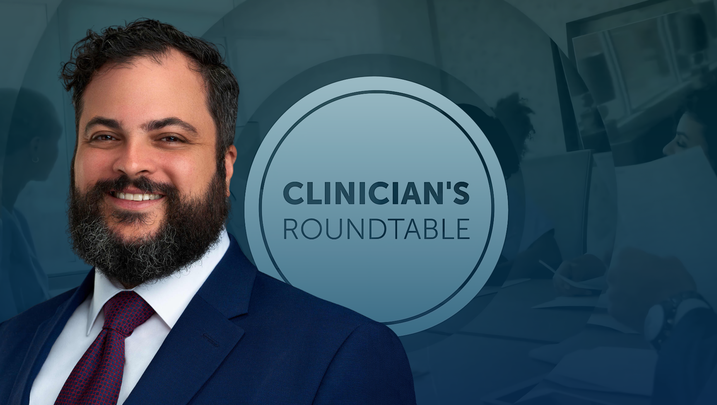
This is Clinician’s Roundtable on ReachMD. On this episode, we’ll hear from Dr. Gary Soffer, who’s an Associate Professor of Pediatrics, the Associate Program Director of the Pediatric Residency Program at Yale School of Medicine, and the Director of the Integrative Medicine Program at Yale’s Smilow Cancer Center. He’ll be discussing the role of allergists and immunologists in guiding patients to reliable health information, which he spoke about at the 2026 American College of Allergy, Asthma, and Immunology Annual Meeting. Here’s Dr. Soffer now.
Dr. Soffer:
I think physicians, in general, sometimes assume that our authority is inherent in our training, and while that was once true and while expertise obviously matters tremendously, I don't think patients are quite experiencing it that way anymore, so we need to modify and adjust our approach with patients. Trust has become something that we really need to continually earn; it doesn't just come with our degree at the end of our name.
So I always say the best place to start is withcuriosity, compassion, and humility. Instead of immediatelysaying things like, "How do I correct this misinformation?" ask, "Why did this information resonate with this patient? What connected with them, and how do I connect with them in a similar way?" I've found, and I think most people have found, that if patients feel dismissed, they're less likely to come back to us, and then they're going to seek more information from the sources they were getting it from in the first place.
My goal is always to bring patients evidence-based and evidence-informed information. And as clinicians and practitioners, we spend a lot of time going to conferences, reading journals, and keeping up with our specialties, but we often don't spend enough time understanding what our patients are actually hearing. This might be controversial, but I thinkclinicians should devote at least some of their educational time to understanding the wellness landscape, social media, podcasts, and influencers because that's where the information is coming from.
And then the other piece of this is not framing everything as ‘us versus them.’ We have wellness influencers on one side, and you have conventional medicine on the other side. There's a lot of middle ground there that it would serve every clinician in every specialty to understand a little better. It's impossible to guide any patient through this informational ecosystem, but it's even more impossible if you've never really bothered to understand what it is and what it looks like.
Our job is no longer simply to give the patients information. It's really to help them evaluate the overwhelming amount of information that's coming at them and understand the conflicts that exist within it.
Announcer:
That was Dr. Gary Soffer talking about how allergists and immunologists can guide patients toward reliable health information. To access this and other episodes in our series, visit Clinician’s Roundtable on ReachMD.com, where you can Be Part of the Knowledge. Thanks for listening!